 For Parents
When Should a Young Athlete Specialize in One Sport?
Specializing too early usually costs more than it gains. Here's how to think about the timing, not just the decision.
 Speed & Power
Strength Training for Football Linemen: Why Bigger Isn't Always Better
Adding weight without adding usable strength just slows a lineman down. Here's what actually wins at the point of attack.
 Speed & Power
Strength Training for Climbers: What Actually Builds Send-Worthy Strength
Most climbers train forearms and skip everything else. Here's the strength work that actually reduces injury and adds sending power.
Speed & Power
Strength and Conditioning for Martial Artists: Power Without Losing Speed
Most martial artists either lift and get slow, or skip the weight room and stall out on power. Here's how to build both.
 Speed
Speed
Water Polo Strength and Conditioning: Training for a Sport With No Ground to Push Off
Water polo players tread water and throw for an entire match with nothing solid under them. Here's what's missing.
 Adult
Adult
Pickleball Injury Prevention: Why Adults Are Getting Hurt Playing a "Fun" Sport
Pickleball is the fastest-growing sport in the country, and it's also filling up physical therapy waiting rooms.
Speed
Volleyball Vertical Jump Training: Why Most Programs Get It Wrong
Volleyball players jump hundreds of times a match, but most programs train the wrong quality for it.
Speed
Skiing and Snowboarding Strength Training: Build the Season Before It Starts
Ski season doesn't wait for your legs to catch up. Here's what to build now before opening day.
Speed
Rowing Strength and Conditioning: What the Erg Doesn't Train
Rowers spend hours on the erg and still show up with weak links the boat exposes. Here's what's missing.
 Speed
Speed
Track Sprint Training: Why Fast Runners Still Get Slow Starts
Plenty of track sprinters have great top-end speed and still lose races in the first 10 meters. Here's why.
Speed
How Pitching Velocity Actually Gets Built
Every pitcher wants more velocity, and most of them are chasing it in the wrong order. Here's what actually moves the radar gun.
Parents
Creatine for Young Athletes: Is It Actually Safe?
Parents ask about creatine constantly, and most of what they've heard is wrong. Here's what the research actually says.
 Recruiting
College vs. High School Strength Programs: What Changes and Why It Matters Early
High school athletes who commit to play in college often get blindsided by how different collegiate strength programs actually are.
Adult
Training After 40: What Actually Changes and What Doesn't
Adults over 40 are often told to train 'smarter, not harder' without anyone explaining what that actually means in practice.
 Parents
How Involved Should Parents Be in Their Athlete's Training?
Parents who care the most about their athlete's development often ask the same question: how involved should I actually be?
Speed
Vertical Jump Training for Basketball Players: What Actually Works
Most basketball players chase vertical jump gains with random jump programs. The ones who actually add inches train force production first.
Parents
Long-Term Athletic Development: What Kids Actually Need at Each Age
The training a 9-year-old needs and the training an 18-year-old needs aren't the same program at different weights — they're different jobs entirely.
Philosophy
Deload Weeks: Why Backing Off Is Part of the Program
Athletes who skip deload weeks because they feel like a step backward usually end up taking a bigger one — an injury or a plateau.
 Assessment
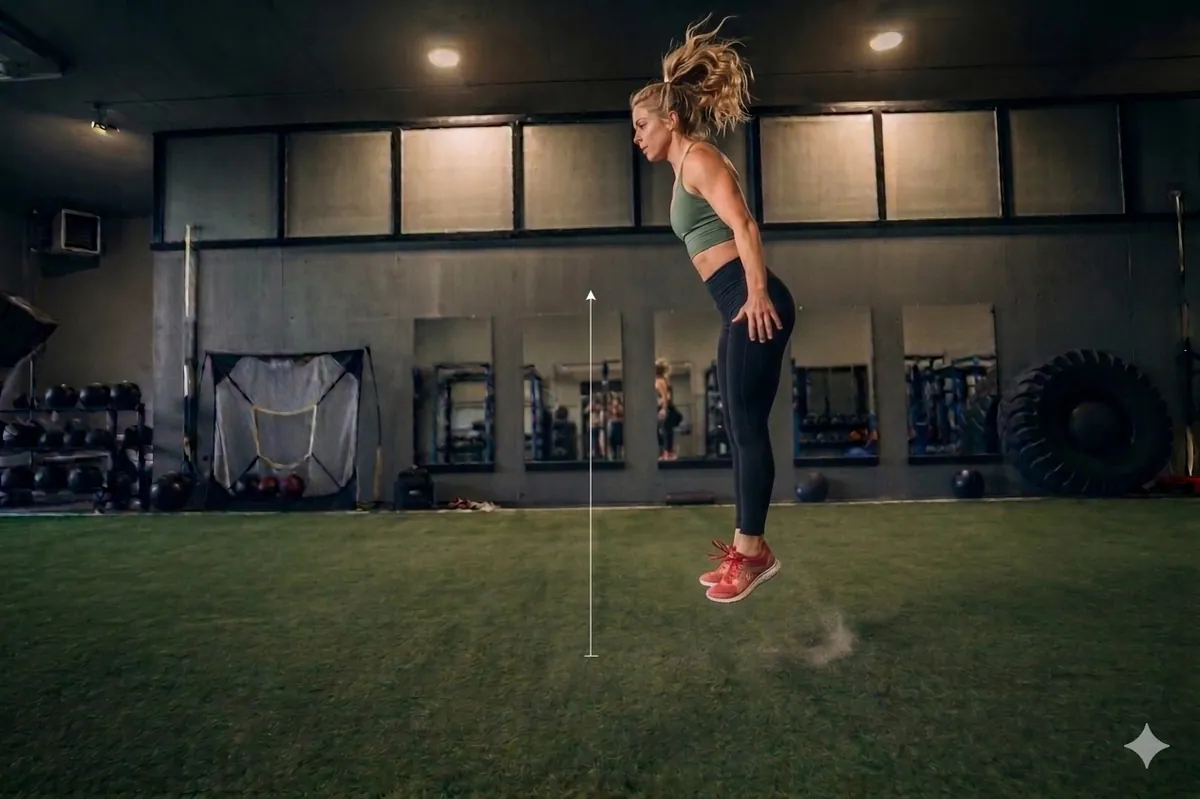
Shoulder Health for Overhead Athletes: What Keeps You Throwing, Swimming, and Serving
Volleyball, swimming, tennis, and throwing all load the shoulder the same repetitive way. Here's what actually protects it.
Speed & Power
Field Hockey Strength and Conditioning: Built for the Grind
Field hockey is a repeated-sprint, low-stance, stick-in-hand sport. Here's what actually needs to be trained to hold up for four quarters.
Speed
Strength and Conditioning for Dancers: Filling the Gap Studios Don't Cover
Dancers train more hours than most athletes and still show up with a strength gap that studio time never touches.
Recruiting
Combine Testing Prep: What Actually Moves Your Numbers
A six-week combine camp can't fix what years of untrained movement created. Here's what actually moves the numbers coaches see.
Speed
Plyometrics for Athletes: What They Actually Do (and When You're Ready)
Box jumps aren't the shortcut to explosiveness most athletes think they are. Here's the order of operations that actually works.
Coaching
Strength and Conditioning for Gymnasts: What Actually Transfers to the Apparatus
Gymnasts are already strong. The gaps that cost routines and joints show up in landings, fatigue, and shoulder control.
Parents
Does Lifting Weights Stunt Growth in Kids? Here's What Actually Happens.
It's the question we hear most from parents. The research answer isn't what most people were told growing up.
Coaching
Cross Country Runners Lose Strength In-Season. It Doesn't Have to Happen.
Mileage goes up, strength work disappears, that's the default. It's also the reason runners fade late in the season.
Speed & Power
Softball Isn't Baseball's Little Sister. It Needs Its Own Training.
Shorter bases, a closer circle, a flatter swing. Softball's demands are different from baseball's, and the training should be too.
Speed & Power
Hockey Doesn't Need More Skating. It Needs More Force.
More reps on the ice won't fix a weak stride. Hockey power gets built off the ice, and most players never train it directly.
Speed & Power
Cheerleading Is Strength Training. Most Programs Just Don't Treat It That Way.
Tumbling, stunting, and basing all demand explosive power and real strength. Cheer rarely gets trained like the sport it is.
Speed & Power
Rugby Doesn't Need One Kind of Athlete. It Needs Every Kind, Trained Right.
Rugby doesn't let an athlete specialize. You need contact strength, sprint speed, and 80 minutes of gas, all at once.
Assessment
Posture Isn't About Standing Up Straight. It's About Force Leaks.
Parents ask us to fix their kid's posture like it's a cosmetic issue. It isn't. It's a performance issue.
Speed & Power
Your Swing, Throw, and Shot Are All the Same Problem: Rotational Power
The baseball swing, the golf drive, and the slap shot all pull from the same tank. Most athletes never train it directly.
Training Philosophy
Mental Toughness Isn't a Personality Trait. It's Built the Same Way Strength Is.
Parents often ask how to make their athlete 'mentally tougher.' The honest answer has almost nothing to do with talking about it.
Training Philosophy
The Post-Workout 'Anabolic Window': Does It Actually Matter?
The 30-minute panic to chug a protein shake isn't backed by what the research actually shows. Here's what matters instead.
Speed
Dryland Training for Swimmers: Why Strength Work Matters Outside the Pool
Yardage in the pool builds an engine. It doesn't build the force production that makes a swimmer fast off the wall.
Speed
Strength and Conditioning for Tennis: What Actually Transfers to the Court
Tennis isn't a straight-line sport. Training for it as one is why so many players hit a wall in the third set.
Coaching
10,000 Hours of Coaching: What Experience Actually Teaches You
Last year I crossed 10,000 hours of coaching. Here is what that kind of experience actually changes — and why it matters for every athlete who trains at FPC.
Parents
Periodization: Why Your Athlete's Program Changes Every Few Weeks
If your athlete's workouts look different every few weeks, that's not disorganization. It's the plan working exactly as designed.
Adult Performance
Why Golfers Should Train Like Athletes, Not Just Practice
More range balls won't add clubhead speed if your body can't produce it. Golf performance is a strength problem before it's a swing problem.
Speed
What Lacrosse Actually Demands From Your Speed and Conditioning
Lacrosse isn't a distance sport, and running it like one leaves you gassed by the third quarter. Here's what the game actually demands.
Return to Sport
The Re-Test Benchmarks That Decide If You're Actually Ready
Medical clearance answers one question. It doesn't answer whether your body can actually handle the sport again. Here's what we test before we sign off.
 Return to Sport
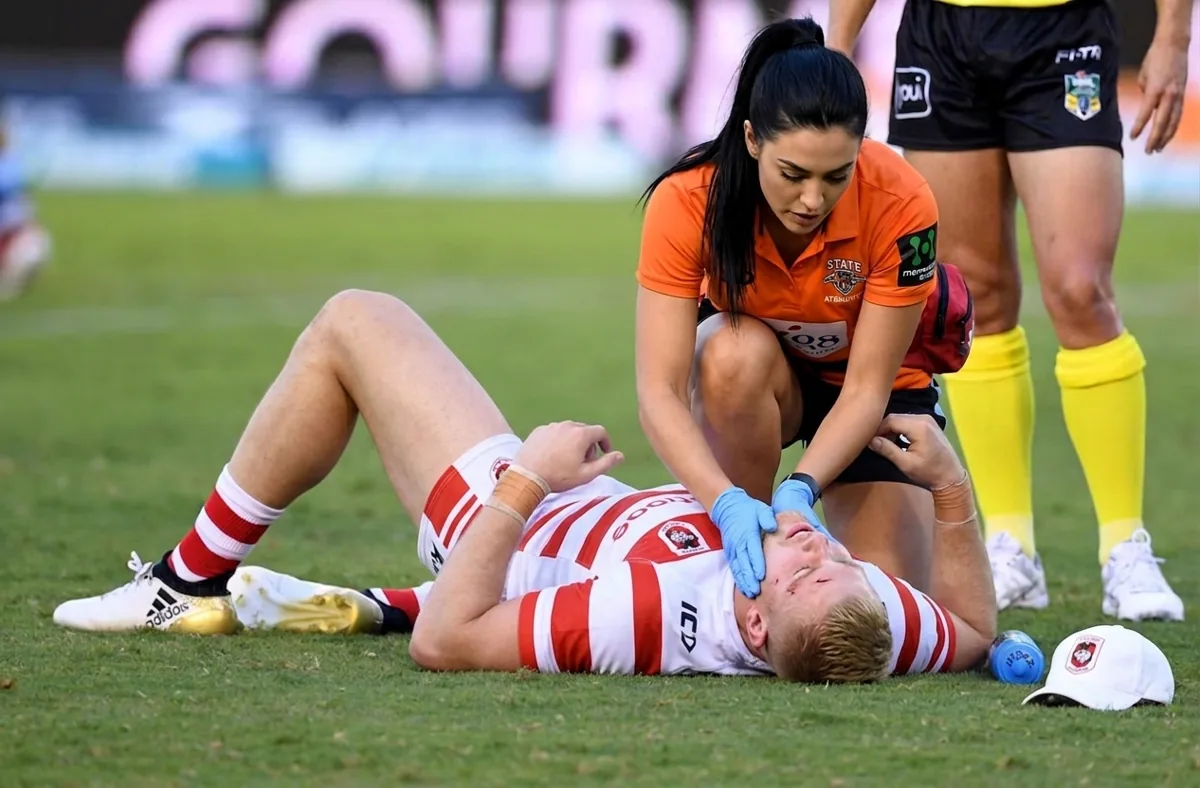
Concussion Return-to-Play: Why 'Symptom-Free' Isn't the Same as Ready
Feeling normal isn't the same as being ready to take contact again. Here's what a real concussion return-to-play process actually checks.
Training Philosophy
Signs of Overtraining: When More Work Stops Making You Better
More training isn't always more progress. Here's how to tell when volume has crossed from productive into overtraining.
Speed & Power
Strength and Conditioning for Wrestlers: What Actually Wins Matches
Wrestling is decided in the third period more often than the first. Here's the strength and conditioning work that actually holds up when it matters.
Training Philosophy
Hydration for Athletes: What Actually Moves the Needle
Most athletes think hydration means chugging water before practice. It's a daily habit, not a pre-game fix — here's what actually works.
Coaching
Training Through a Travel Team Schedule Without Losing Progress
Weekends of tournaments and hotel check-ins don't have to erase weeks of strength gains. Here's how to keep a travel schedule from resetting progress.
Parents
The Multi-Sport Athlete: How to Avoid Overuse Injuries and Burnout
Playing three sports year-round doesn't mean an athlete is training smart. Here's how to spot overuse and burnout before they show up.
Assessment
ACL Injury Prevention for Female Athletes: What the Research Actually Says
Female athletes tear ACLs at higher rates than their male counterparts. Here's what the evidence says actually lowers the risk.
Assessment
Arm Care for Throwing Athletes: What Actually Prevents Injuries
Band work before practice isn't arm care. Here's what actually keeps throwing athletes healthy through a season.
Coaching
How to Actually Choose a Strength Coach
Certifications on a wall don't tell you if a coach can actually build an athlete. Here's what to look for instead.
Training Philosophy
The Off-Season Mistake: Playing More of Your Sport Instead of Training It
The off-season isn't for more reps of your sport. It's the only window to build what the season never leaves time for.
Speed & Power
Change of Direction vs. Straight-Line Speed: Why They're Not the Same Skill
Fast 40 time doesn't mean an athlete can cut, plant, and redirect under control. That's a different skill.
Training Philosophy
Are Recovery Tools Actually Worth It?
Cold plunges, massage guns, compression boots. Some of it helps. A lot of it is just expensive noise.
Training Philosophy
How to Train During Your Season Without Losing a Step
Most athletes either stop training in-season and get worse, or keep training like it's the off-season and get hurt. Neither is the answer.
Speed & Power
Work Capacity: The Base Every Athlete Needs Before They Specialize
Before an athlete can handle heavy strength or top-end speed work, they need a base that lets the body absorb it. That base is work capacity — and most programs skip it.
For Parents
When and How Young Athletes Should Actually Train Speed
Speed isn't something you bolt on at 16. The window for building it starts a lot earlier — but it looks nothing like a high schooler's sprint program.
Assessment
What Makes the FPC Assessment Different From a Regular Fitness Test
A fitness test tells you a number. An assessment tells you why that number is what it is — and what to do about it.
Speed & Power
Can You Build Strength and Speed at the Same Time?
The old belief was pick one — get strong or get fast, not both. That's not how the body actually works.
Training Philosophy
What to Eat Before and After Training
Most athletes either train on empty or eat the wrong thing at the wrong time.
Training Philosophy
How to Survive Two-a-Days Without Breaking Down
Camp season means two-a-days, and two-a-days mean athletes show up beat down and undertrained at the same time.
Training Philosophy
Why You Stopped Making Progress (and How to Fix It)
Adding more sets isn't the fix for a plateau. Here's why progress actually stalls, and what breaks it.
Training Philosophy
Mobility vs Flexibility: What Athletes Actually Need
Being able to touch your toes and being able to use that range under load are two different things. Here's why athletes need mobility, not just flexibility.
Speed & Power
How Volleyball Players Jump Higher and Hit Harder
Volleyball is a repeat-jump sport, not a one-jump sport. Here's how vertical power, shoulder care, and landing mechanics actually get built.
Speed & Power
How Football Players Get Faster and More Powerful
Football speed is position-specific — acceleration, collision durability, and change of direction all mean different things depending on where you line up.
Training Philosophy
Why Consistency Beats Intensity Every Time
The athlete who trains hard for three weeks and quits loses to the one who trains moderately for three years.
Adult Performance
How Busy Athletes (and Adults) Should Train With Limited Time
Two sessions a week done right beats five sessions a week done randomly. Here's how to prioritize when time is the limiter.
Training Philosophy
How Much Protein Does an Athlete Really Need?
Most athletes either obsess over protein or ignore it completely. Neither works. Here's a practical, non-obsessive target.
Speed & Power
How Basketball Players Build Explosive First-Step Quickness
First-step quickness isn't a gift. It's acceleration mechanics, deceleration strength, and reactive training — and it's trainable.
Training Philosophy
How Long Does It Actually Take to Get Results?
Everyone wants a number. The honest answer depends on what you're chasing — strength, speed, and size all move on different timelines.
Speed & Power
Agility vs Speed: They Are Not the Same Thing
Fast in a straight line and fast to react are two different skills, trained two different ways. Most athletes only work on one.
Speed & Power
Why Single-Leg Strength Matters More Than You Think
Sport happens on one leg at a time. Most weight rooms train athletes almost entirely on two. Here's why that gap matters.
Speed & Power
What Core Training Should Actually Look Like for Athletes
Endless crunches don't build a usable core. What athletes actually need is anti-rotation and bracing strength that transfers to the field.
Assessment
What Pro Athletes Do That Amateurs Skip
It's not a secret exercise or a supplement. What separates pro-level training is testing, recovery discipline, and consistency most amateurs skip.
For Parents
When Is a Young Athlete Ready to Train?
Readiness for structured training isn't about age on a birth certificate — it's about coordination, focus, and development. Here's how to know.
Speed & Power
A Warmup That Actually Prepares You to Perform
Static stretching before you train doesn't prepare you to perform — it can work against you. Here's what a warmup should actually do.
Training Philosophy
Sleep: The Cheapest Performance Upgrade You're Ignoring
You can't out-train bad sleep. Here's what sleep actually does for strength, speed, and recovery — and why it's the cheapest upgrade available.
Training Philosophy
Training Age: Why Two 15-Year-Olds Need Different Programs
Two athletes can share a birthday and need completely different programs. Training age matters more than chronological age.
 Assessment
Why an Assessment Beats a Program Every Time
A generic program guesses. An assessment measures. That difference changes everything about how training time gets spent.
Training Philosophy
Nutrition Basics: How Athletes Should Actually Eat
Athletes overcomplicate nutrition constantly. Here's what actually matters: protein, carbs around training, and hydration.
Training Philosophy
5 Weight Room Myths That Are Holding Athletes Back
Lifting stunts growth. Soreness means it worked. Most of what athletes believe about the weight room is wrong.
Speed & Power
How Baseball Players Get Faster and More Explosive
Baseball speed isn't about long sprints — it's first-step quickness, rotational power, and an arm that holds up. Here's how to train it.
Adult Performance
Can You Actually Get in Shape in 12 Weeks?
Twelve weeks is enough time to genuinely change how you move and feel — if you're honest about what "in shape" means.
Adult Performance
How Athletes Build Lean Muscle Without Getting Slow
Adding size the wrong way makes athletes bigger and slower. Adding it the right way makes them bigger and faster. Here's the difference.
Speed & Power
HIIT: What It's Actually Good For (and What It Isn't)
HIIT gets sold as the answer to everything. It's good at exactly one of those things. Here's where intervals help and where they're junk fatigue.
Training Philosophy
The Truth About Stretching and Flexibility
Static stretching before you train doesn't prevent injury and can cost you power. What actually works — and what to do instead.
Adult Performance
What Strength Training Does for Your Mind
Getting strong changes more than your body. It builds confidence, lowers stress, and teaches discipline that carries into everything else.
Speed & Power
Hypertrophy vs Strength: What Athletes Actually Need
Hypertrophy builds size. Strength builds force. Most athletes chase the wrong one. What the difference actually means for your sport.
Adult Performance
Why Runners Should Lift Weights
Lifting does not make runners slow or bulky. It makes them faster, more efficient, and far harder to injure. Why every runner should strength train.
Training Philosophy
Recovery Is a Skill Most Athletes Never Train
Recovery is not rest days and ice baths. It is the part of training where you actually adapt — and most athletes never plan it.
Speed & Power
How to Actually Jump Higher
More jump reps will not add inches. A vertical is a power problem — force applied fast. Here is how you actually build it.
Assessment
Strength Standards: How Do You Actually Compare?
Are you strong, or just strong for your friend group? What real strength standards look like — and why the bar is only half the story.
Speed & Power
How Soccer Players Actually Get Faster in 12 Weeks
Running more laps does not build speed. Real speed is acceleration, force, and mechanics. What a 12-week build actually looks like.
Assessment
The Best Injury Prevention Is Knowing Where You Are Weak
Most sports injuries are not bad luck. They are known weaknesses that never got measured. Prevention starts with an honest assessment.
Speed & Power
Grip Strength Is the Athletic Quality Nobody Trains
Grip is where power meets the world. Weak hands cap your strength, your pulls, and your sport. Why it quietly limits athletes.
Adult Performance
What "Hybrid Training" Actually Means for Athletes
Strength and endurance fight each other unless you program them on purpose. How to actually build both without wasting either.
Training Philosophy
Training the Female Athlete: What Actually Changes
Female athletes do not need a watered-down program. They need a real one built for their strengths and their risks.
Speed & Power
Conditioning Is Not Punishment
Running gassers until someone throws up is not conditioning — it is theater. Real conditioning is built to make athletes better, not just tired.
Assessment
PNOĒ: What Your Breath Reveals About Your Engine
It's here. Lab-grade breath analysis is now in the building at FPC — VO2 max, resting metabolism, and the exact fuel you burn at every intensity. Time to get in here and get tested.
Speed & Power
Deceleration: The Missing Skill That Prevents Injuries and Wins Games
Everyone trains to go faster. Almost nobody trains to stop. Deceleration is the most overlooked athletic skill — and the one that protects knees.
Training Philosophy
Off-Season Training: The Window That Makes or Breaks a Season
The off-season is where next season is actually won. Why the quiet months matter more than the games — and how to use the window before it closes.
Return to Sport
Return to Sport After Injury: Coming Back Stronger, Not Just Cleared
Being cleared is not the same as being ready. The gap between rehab and real performance is where re-injuries happen — and where a real plan matters.
Recruiting
College Recruiting: The Numbers That Actually Get You Noticed
Recruiting is a numbers game long before it is a highlight reel. The testing numbers college coaches actually filter on — and how to build them.
Speed & Power
Velocity-Based Training: Why We Measure the Speed of Every Rep
Two athletes can lift the same weight and get opposite results. Bar speed tells us which — and lets us train each athlete exactly right, every session.
For Parents
Should High School Athletes Lift Weights? What the Research Actually Says
The fear that lifting stunts growth is one of the most stubborn myths in youth sports — and the research says the opposite. What supervised strength training really does.
Training Philosophy
Variety & Individualization: Two Principles Behind Every FPC Program
Two of the oldest ideas in strength training — from Tudor Bompa — and why they separate real development from random workouts.
Case Study
Same Bodyweight, Two Blueprints: A Real Assessment Breakdown
Two athletes, both 181 lb, same sport. The assessment said they needed almost nothing in common — and one proved it with +70 lb on his squat. A real case study.
Training Philosophy
Why Most Athletes Are Training Hard and Getting Nowhere
Effort without direction is just fatigue. The difference between training hard and training better — and what actually drives development.
Assessment
What Happens in the Private Athletic Assessment
A structured evaluation that gives athletes clear, honest feedback about where they are right now and what it would take to get where they want to go.
Speed & Power
Why Speed Is More Than Running Hard
Speed is a skill built on mechanics, force application, and timing — and those things can be coached, drilled, and improved.
Adult Performance
Adults Need Coaching, Not Another Gym Membership
Most adults fail because they don't have structure, accountability, or a plan that fits their life. Coaching changes that.
For Parents
What Parents Should Look For In a Performance Coach
Clear signs that a program is built for development, not just hard work. What to ask, what to watch for, and what to avoid.
 Training Philosophy
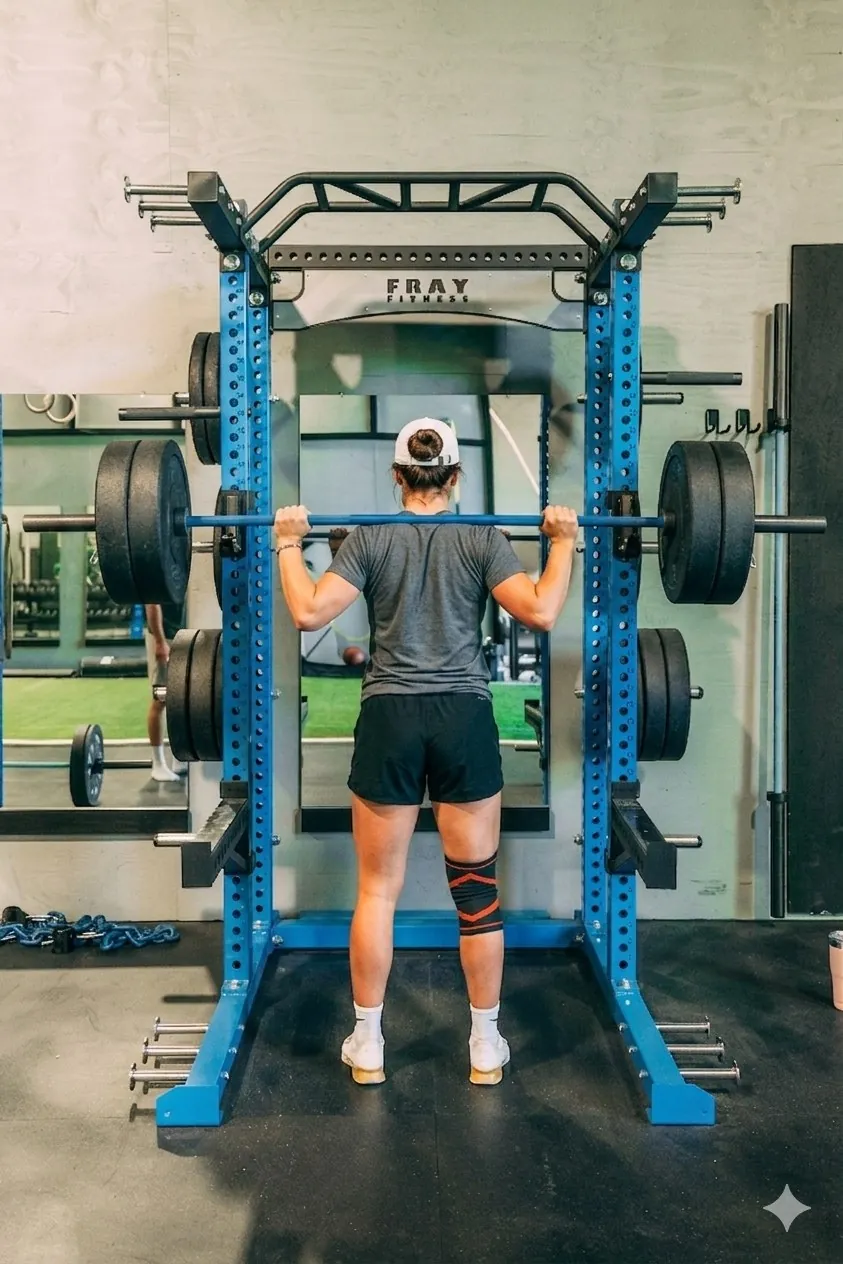
Why Athletes Need More Than Workouts
Training is not the same as development. What separates real coaching from random programs — and why it matters for every athlete.
Coaching
Why Serious Athletes Drive For Coaching
CDA, Post Falls, Liberty Lake, Spokane Valley, and Spokane athletes need a higher standard. And they're willing to drive for it.