No, lifting weights does not stunt growth, soreness is not a reliable measure of a good workout, and free weights are not automatically more dangerous than machines for young athletes. Most weight room myths come from outdated gym culture, not evidence — the actual risk to athletes is untrained lifting with bad technique, not lifting itself. A properly coached strength program is one of the safest, most effective things a young athlete can do.
Walk into any high school weight room and you'll hear the same handful of myths repeated as fact. They get passed from teammate to teammate, parent to parent, and most of them were wrong twenty years ago and are still wrong now. Here are the five that do the most damage.
Does Lifting Weights Stunt Growth?
No. This myth has been studied and debunked for decades — there's no evidence that resistance training damages growth plates or stunts height in young athletes. What actually damages growth plates is poor technique under uncontrolled load, which is a coaching problem, not a lifting problem. The National Strength and Conditioning Association has published position statements on this for years: supervised resistance training is safe and beneficial for youth athletes.
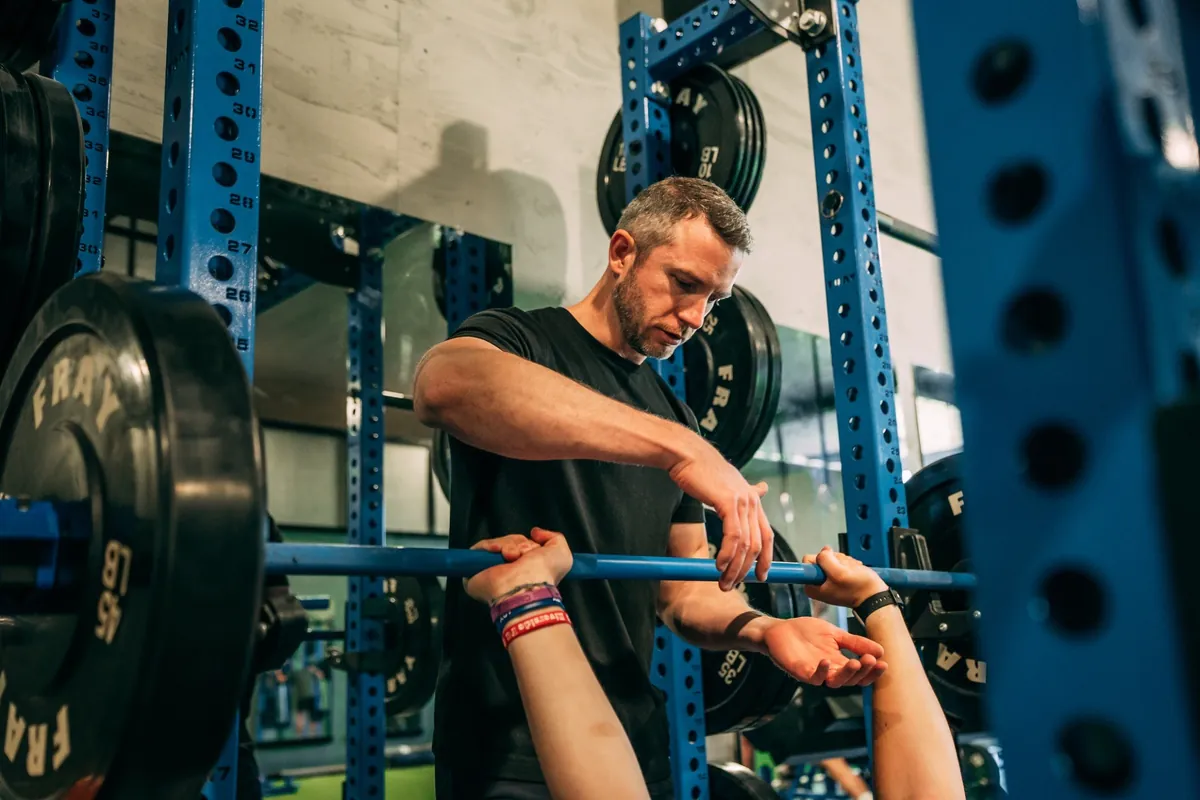
The risk was never the barbell. It was handing a 13-year-old a barbell with no coach watching.
Does Soreness Mean It Worked?
Soreness tells you a muscle experienced something new or unfamiliar. It doesn't tell you the session built strength, and chasing soreness as a goal usually leads to two bad outcomes: overtraining that increases injury risk, and workouts designed to hurt instead of workouts designed to progress. An athlete can make significant strength gains from a session that leaves them barely sore at all.
- Progressive overload — adding load, reps, or difficulty over time — drives results, not soreness
- Chronic excessive soreness is often a sign of poor recovery, not effective training
- Experienced lifters get sore far less often than beginners doing the exact same program
Are Machines Safer Than Free Weights?
Machines aren't inherently safer — they're more forgiving of bad technique because they control the movement path for you. That's a trade-off, not a safety guarantee. Free weights, taught correctly, build the stabilizer strength and movement patterns that actually transfer to sport. An athlete who only ever trains on machines can hit impressive numbers on a leg press and still move poorly on the field.
Do You Need to Train Every Day to See Results?
More volume isn't automatically better volume. Athletes need recovery time for adaptation to actually happen — strength is built in the rest between sessions, not just in the session itself. Three to four well-coached sessions a week beats six sessions that never allow full recovery.
The common thread across every one of these myths is the same: they treat the weight room as inherently risky or inherently magic, when the real variable is coaching quality. A well-designed, well-supervised program is one of the lowest-risk, highest-return things an athlete can do for their development.
Frequently Asked Questions
Does lifting weights stunt growth in teenagers?
No. There's no scientific evidence that supervised resistance training stunts growth or damages growth plates. The real risk comes from poor technique under uncontrolled load, not from lifting itself.
Is being sore after a workout a sign it was effective?
Not necessarily. Soreness reflects unfamiliar movement, not training effectiveness. Experienced athletes often make strong progress with minimal soreness, while chasing soreness can lead to overtraining.
Are weight machines safer than free weights for young athletes?
Machines control the movement path, which can reduce technique errors, but that doesn't make them inherently safer. Free weights taught correctly build stabilizer strength and movement patterns that transfer better to sport.
How often should an athlete lift weights each week?
Three to four well-coached sessions per week is typically enough to drive results while allowing proper recovery, which is when strength adaptations actually happen.
Start With a Free 45-Minute Consultation.
Start with a free 45-minute consultation about your goals, current training, and what is not improving. If FPC is the right fit, Cody will explain the assessment and next steps.
Book a Free 45-Minute Consultation →