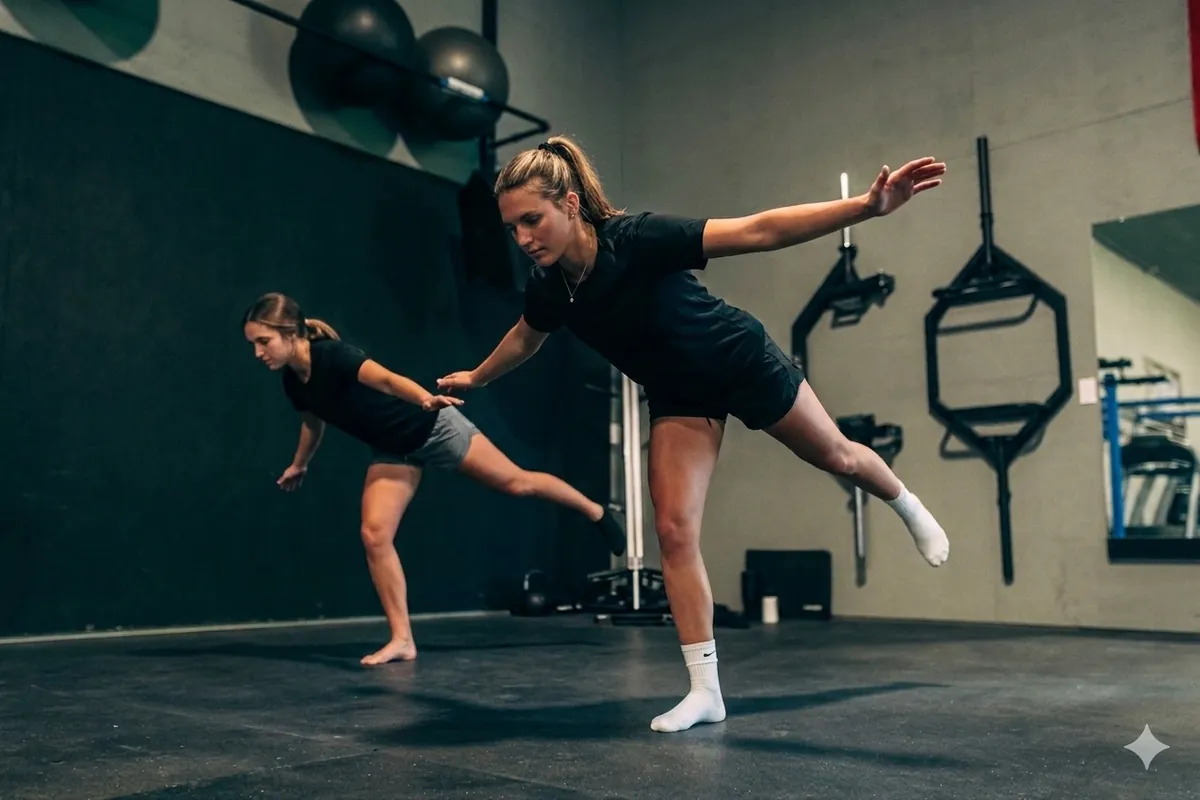
Readiness for structured athletic training depends more on coordination, attention span, and movement competency than on a specific age — most kids can start age-appropriate coaching around 8-10, focused on movement skill, not loading. Formal strength training with external load becomes appropriate as the athlete shows control of bodyweight movements, usually in the 12-14 range, and always under qualified coaching. The goal early on is building a foundation of movement, not chasing numbers.
Parents ask this constantly, and it's usually the wrong question in disguise. "How old does my kid need to be to start training" implies there's a magic number. There isn't. Readiness is about the athlete in front of you, not a birthday.
What actually matters is coordination, body awareness, and whether the athlete can focus and follow instruction for a structured session. Two 10-year-olds can be years apart in readiness, and pretending otherwise does a disservice to both.
What Does "Ready" Actually Look Like?
A young athlete is ready for structured coaching when they can hold basic body positions, follow multi-step instructions, and stay engaged for a session without needing constant redirection. That's a coordination and maturity threshold, not a strength threshold — nobody needs to be strong to start, they need to be coachable.
The goal for a young athlete isn't strength. It's building a movement vocabulary they'll use for the rest of their athletic life.
What Should Training Look Like at Each Stage?
- Ages 8-11: bodyweight movement, coordination, balance, and general athleticism — games and drills disguised as training
- Ages 11-13: introducing more structured movement patterns (squat, hinge, push, pull), still primarily bodyweight or very light load
- Ages 13+: external loading becomes appropriate once movement competency is established, progressed carefully under qualified coaching
The through-line at every stage is control before load. An athlete who can't control their own bodyweight in a squat has no business adding a barbell to it, regardless of age.
Is Strength Training Safe for Young Athletes?
Yes — the research on this is clear and has been for years. Properly coached, age-appropriate strength training is safe and beneficial for young athletes, including reducing injury risk. The risk isn't the training itself; it's untrained load, poor coaching, or pushing volume and intensity ahead of the athlete's actual readiness.
This is where we see parents make the most avoidable mistake: either holding a coordinated, ready 11-year-old back because of age, or pushing an uncoordinated 14-year-old into heavy loading because of age. Neither decision is based on the athlete in front of them.
What Should Parents Actually Do?
Get an honest read on where your athlete actually is — not where their age says they should be. A qualified coach can assess coordination, movement quality, and readiness in a single session and build a plan from there, instead of guessing based on a birth year. Starting too early with the wrong approach and starting too late both cost development time that's hard to get back.
Frequently Asked Questions
What age should kids start strength training?
There's no single magic age. Movement-based coordination training can start around 8-10, and structured strength training with external load is generally appropriate around 12-14, depending on the individual athlete's movement competency.
Is weightlifting safe for young athletes?
Yes, when it's properly coached and age-appropriate. Research consistently shows structured strength training is safe and beneficial for youth athletes, including reducing injury risk. The risk comes from poor coaching or loading ahead of readiness, not from the training itself.
How do I know if my child is ready for structured training?
Look at coordination, body awareness, and whether they can follow instructions and stay engaged for a session. Readiness is about the individual athlete, not a specific age.
What should training look like for a young athlete?
Early on, it should focus on bodyweight movement, coordination, and general athleticism rather than loading. External weight gets introduced gradually once basic movement patterns are controlled.
Start With a Free 45-Minute Consultation.
Start with a free 45-minute consultation about your goals, current training, and what is not improving. If FPC is the right fit, Cody will explain the assessment and next steps.
Book a Free 45-Minute Consultation →