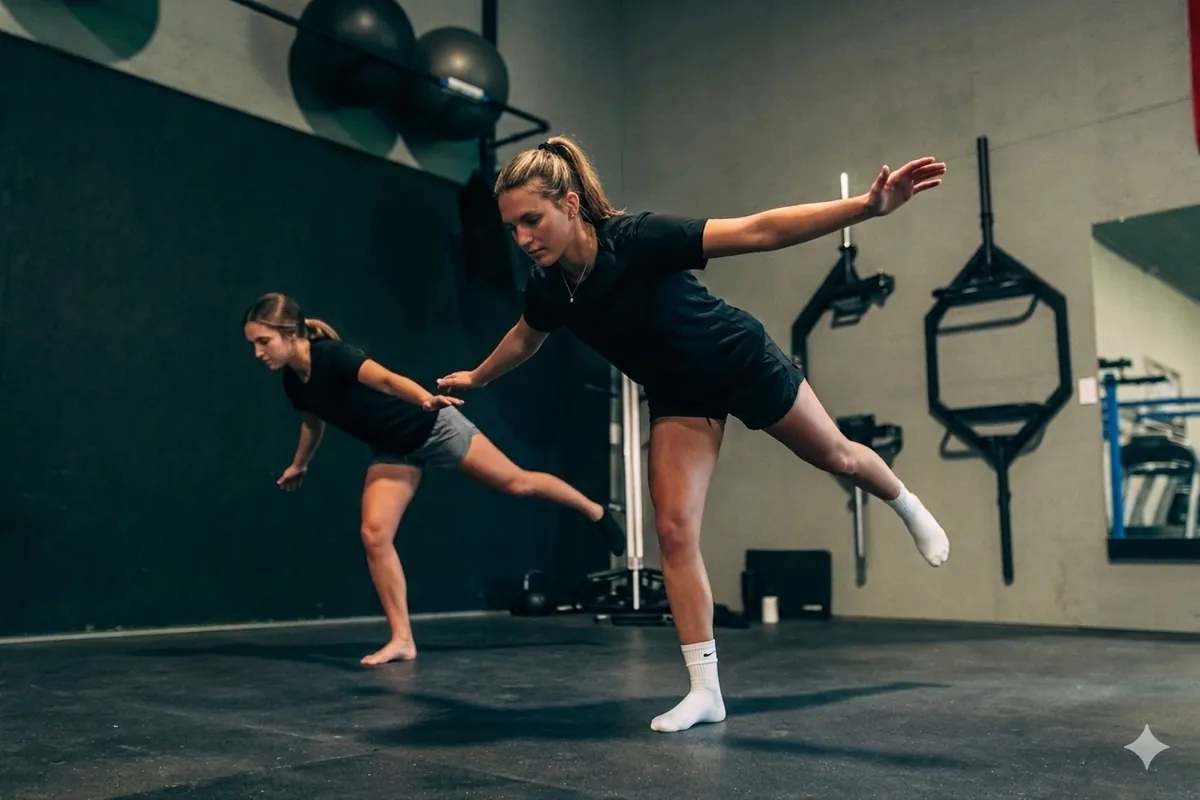
Most young athletes shouldn't specialize before mid-to-late high school — the research consistently links early specialization to higher overuse injury rates and earlier burnout, without a reliable advantage in long-term performance or recruiting outcomes. The better marker than age is physical readiness and genuine interest: an athlete who's stopped growing rapidly, built a broad movement base, and is choosing the sport themselves is in a very different position than a 10-year-old pushed into one sport year-round. Specialization should follow development, not force it.
Every competitive parent eventually asks some version of the same question: should my kid focus on one sport now, or keep playing multiple? The pressure to specialize early is real — travel teams, private coaches, and college recruiting timelines all seem to reward commitment. But the timing question matters more than the decision itself, and getting it wrong tends to cost athletes more than it gains them.
What Does the Research Actually Say About Early Specialization?
Across youth sports medicine research, the pattern holds up consistently: athletes who specialize in a single sport before their mid-teens report significantly higher rates of overuse injury than multi-sport peers, and burnout — losing motivation and stepping away from a sport entirely — shows up disproportionately in early specializers. The sports most associated with early single-sport focus, including baseball, gymnastics, and tennis, also show some of the highest overuse injury rates in youth athletes.
The kid who plays three sports until high school isn't behind. He's building the movement vocabulary the one-sport kid never gets a chance to develop.
Does Specializing Early Actually Help With Recruiting?
Not reliably. College coaches recruiting at the high school level are looking for athleticism, coachability, and upside as much as sport-specific polish — and multi-sport athletes often present better on athletic testing because they've developed a broader range of movement patterns. Early specialization can produce a technically polished 12-year-old, but that advantage rarely holds by the time recruiting actually starts.
What's a Better Marker Than Age for Specializing?
Physical readiness matters more than a birthday. An athlete who has moved through the fastest part of adolescent growth, built strength and movement competency across a broad base, and is choosing to specialize because they genuinely want to — not because a parent or coach is pushing it — is in a completely different position than a young athlete forced into one sport year-round before their body or interest has caught up.
At FPC, athletes are assessed on movement competency and physical readiness regardless of which sport they play, which is exactly why a broad, multi-sport training base early on tends to produce a stronger, more durable specialist later — if and when specializing actually makes sense.
- Early single-sport specialization is linked to higher overuse injury rates and earlier burnout
- Multi-sport athletes often test better athletically at the point recruiting actually starts
- Physical readiness and genuine athlete interest are better markers for specializing than age alone
Parents don't need to choose between competitive and cautious. They need a program that builds the athlete first, and lets the sport-specific focus follow when the timing actually makes sense.
Frequently Asked Questions
What age should a young athlete specialize in one sport?
There's no fixed age, but most research points to mid-to-late high school as safer than earlier specialization, which is linked to higher overuse injury rates and burnout without a reliable long-term performance advantage.
Does specializing early help with college recruiting?
Not reliably. College coaches often value the athleticism and broad movement competency multi-sport athletes develop as much as sport-specific polish, and early technical advantages tend to fade by recruiting age.
What are the risks of early sport specialization?
Higher rates of overuse injury and burnout. Sports with high rates of early specialization, like baseball, gymnastics, and tennis, also show some of the highest overuse injury rates in youth athletes.
What's a better indicator than age for when to specialize?
Physical readiness — having moved through rapid adolescent growth and built a broad strength and movement base — combined with genuine athlete interest, rather than a specific birthday or grade level.
Does FPC train multi-sport athletes?
Yes, athletes are assessed on movement competency and physical readiness regardless of sport, building the broad base that makes specializing later, when it makes sense, more effective and more durable.
Start With a Free 45-Minute Consultation.
Start with a free 45-minute consultation about your goals, current training, and what is not improving. If FPC is the right fit, Cody will explain the assessment and next steps.
Book a Free 45-Minute Consultation →