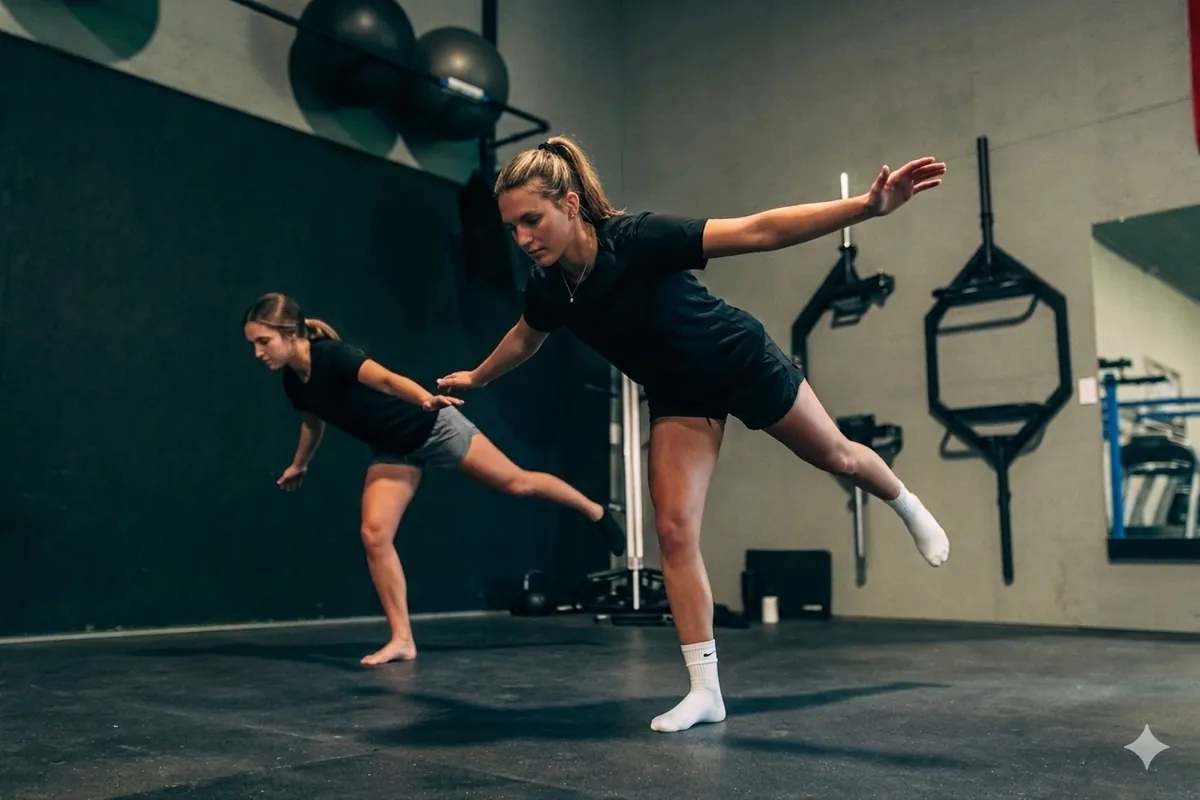
No, properly supervised strength training does not stunt growth or damage growth plates in children or teenagers. The growth-plate-injury myth traces back to poorly supervised training decades ago, not to strength training itself, and major pediatric and sports medicine organizations now recommend youth strength training for both performance and injury prevention when it's coached and age-appropriate.
This is the question we hear more than any other from parents, usually right before they decide whether to let their kid start training: will lifting weights stunt my child's growth? It's a reasonable thing to ask, and it deserves a real answer instead of a reassurance. The answer is no, and it's backed by decades of research, not just coaching opinion.
The myth has a real origin. Growth plate injuries did happen in youth weightlifting decades ago, but they happened almost exclusively in unsupervised settings with poor technique, excessive load, and no coaching oversight, not because strength training itself is dangerous for a developing body. The distinction matters enormously.
What Does the Research Actually Say About Kids and Strength Training?
The American Academy of Pediatrics, the National Strength and Conditioning Association, and multiple international sports medicine bodies all support supervised youth strength training as safe and beneficial, provided it's age-appropriate and properly coached. None of the major pediatric or sports medicine organizations currently recommend avoiding strength training out of growth concerns. That consensus has been consistent for over a decade.
The organizations that study kids' bodies for a living don't share this fear. The myth outlived the evidence a long time ago.
Why Did the Growth Plate Myth Start in the First Place?
From real injuries in the 1970s and 80s that happened under genuinely poor conditions, unsupervised training, maxing out on load with no technique coaching, and equipment not scaled for a smaller body. Those injuries were real, but the cause was the lack of supervision and load management, not strength training as a category. Modern supervised programs address exactly the conditions that caused the original problem.
- Supervised, coached programs show no elevated growth plate injury risk in the research
- Age-appropriate loading and progression is what separates safe training from the old unsupervised model
- Strength training in youth is associated with reduced injury rates in later sport participation
- Technique and movement quality matter more at this age than the amount of weight lifted
The danger was never the barbell. It was the lack of a coach standing next to it.
What Does Safe Youth Training Actually Look Like?
Low loads, high coaching attention, and a focus on movement quality before load progression, squats, hinges, presses, and pulls taught with body weight or light resistance first. Kids who go through this kind of program don't just avoid harm, they tend to move better, get hurt less in their primary sport, and build a strength base that pays off through high school and beyond.
Where Should a Parent Start?
With a program that's actually built for a developing athlete, not a scaled-down adult program and not an unsupervised free-for-all. The research on this question has been settled for a long time. What matters now is finding coaching that treats a young athlete's body appropriately, not avoiding strength training altogether.
The myth was born from bad supervision, not from strength training itself. Good supervision is exactly what fixes it.
Frequently Asked Questions
Does lifting weights stunt growth in kids?
No. Research from pediatric and sports medicine organizations consistently shows that supervised, age-appropriate strength training does not stunt growth or damage growth plates in children or teenagers.
Where did the idea that lifting weights is dangerous for kids come from?
From real growth plate injuries in the 1970s and 80s that occurred in unsupervised settings with poor technique and excessive loading, not from strength training as a category. Supervised programs address exactly those original risk factors.
At what age can kids safely start strength training?
Most major sports medicine organizations support supervised strength training beginning around age 7 to 8, focused on body weight and movement quality before progressing to external loads as the child develops.
Do major medical organizations recommend youth strength training?
Yes. The American Academy of Pediatrics and the National Strength and Conditioning Association both support supervised youth strength training as safe and beneficial when it's age-appropriate and properly coached.
Start With a Free 45-Minute Consultation.
Start with a free 45-minute consultation about your goals, current training, and what is not improving. If FPC is the right fit, Cody will explain the assessment and next steps.
Book a Free 45-Minute Consultation →