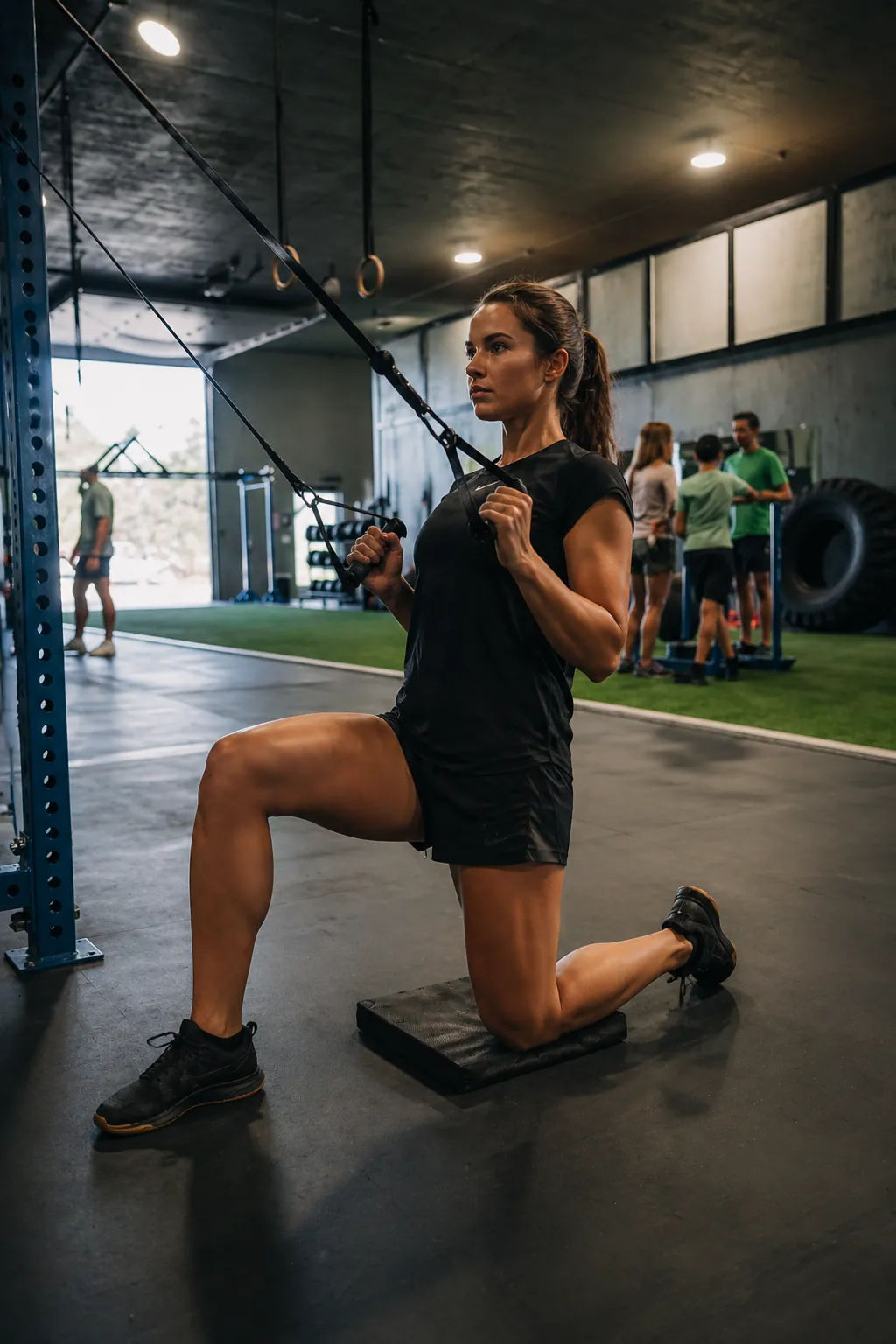
College strength programs differ from high school primarily in volume, training age assumed of the athlete, and structure — freshmen are often expected to already have a strength training base, a tolerance for higher training frequency, and the discipline to train without close individual oversight. Athletes who arrive on campus without that foundation typically spend their entire freshman year catching up instead of competing for a role.
Every year, talented high school athletes commit to college programs, show up for their first collegiate strength session, and get run over — not by the competition on the field, but by the volume and pace of the training itself. It's one of the most predictable and most preventable gaps in athletic development, and almost nobody talks about it until an athlete is already living it.
High school strength programs, even good ones, are usually built around teaching movement, building a base, and accommodating a wide range of training experience in one room. College programs assume that foundation already exists. Freshmen who show up without it aren't just behind on strength numbers — they're behind on the training capacity to even absorb the volume being asked of them.
What's Actually Different?
- Training frequency jumps significantly — many college programs run 4-6 sessions a week compared to 2-3 in high school
- Volume and intensity assume an established strength base rather than building one from scratch
- Athletes are expected to self-manage recovery, nutrition, and sleep without a parent or high school coach checking in
- Accountability shifts from encouragement-based coaching to performance-based expectations tied to playing time
Why Does This Catch Athletes Off Guard?
Talent gets an athlete recruited. Training capacity determines whether they can handle what happens after.
Recruiting is based on what an athlete can already do on the field. It says very little about whether that athlete's body can absorb a college training load without breaking down. Coaches see this every year — a highly talented freshman who was the best athlete on their high school team struggling through their first collegiate off-season, not from lack of ability, but from a body that's never had to recover from that much structured volume before.
How Should Athletes Prepare in Advance?
The best window to close this gap is the last one to two years of high school, well before a commitment is even finalized. That means building actual strength training age — consistent, progressive resistance training, not just conditioning — and gradually increasing frequency to something closer to what a college environment will demand, so the jump in volume is a step up rather than a cliff.
The athletes who transition smoothly aren't the most talented ones. They're the ones whose bodies were already trained to handle more before they got there.
Does This Matter for Every Sport?
Yes, though the specifics vary — a college soccer program's in-season demands look different from a football program's off-season block, but the underlying issue is the same across sports: freshmen who arrive with a real strength training base adapt faster, get injured less, and compete for playing time sooner than teammates who are still building that base for the first time on campus.
The commitment gets the athlete in the door. What happens in the two years before they walk through it determines how quickly they're actually competing once they're there.
Frequently Asked Questions
How much more intense are college strength programs than high school?
Training frequency alone often jumps from 2-3 sessions a week in high school to 4-6 in college, and volume and intensity assume an existing strength base rather than building one — the gap is more about accumulated demand than any single session being dramatically harder.
When should high school athletes start preparing for college-level training?
Ideally the last one to two years of high school, focused on building real progressive strength training age rather than just sport-specific conditioning, so the eventual jump in college volume is manageable rather than overwhelming.
Do recruiting stars translate to being ready for college strength programs?
Not automatically. Recruiting evaluates what an athlete can already do on the field, which says little about whether their body has the training capacity to absorb a significantly higher training volume without breaking down.
Is this gap the same across every sport?
The specific demands vary by sport, but the underlying pattern is consistent — freshmen with an established strength training base adapt to college programs faster and get injured less than those without one, regardless of sport.
Start With a Free 45-Minute Consultation.
Start with a free 45-minute consultation about your goals, current training, and what is not improving. If FPC is the right fit, Cody will explain the assessment and next steps.
Book a Free 45-Minute Consultation →