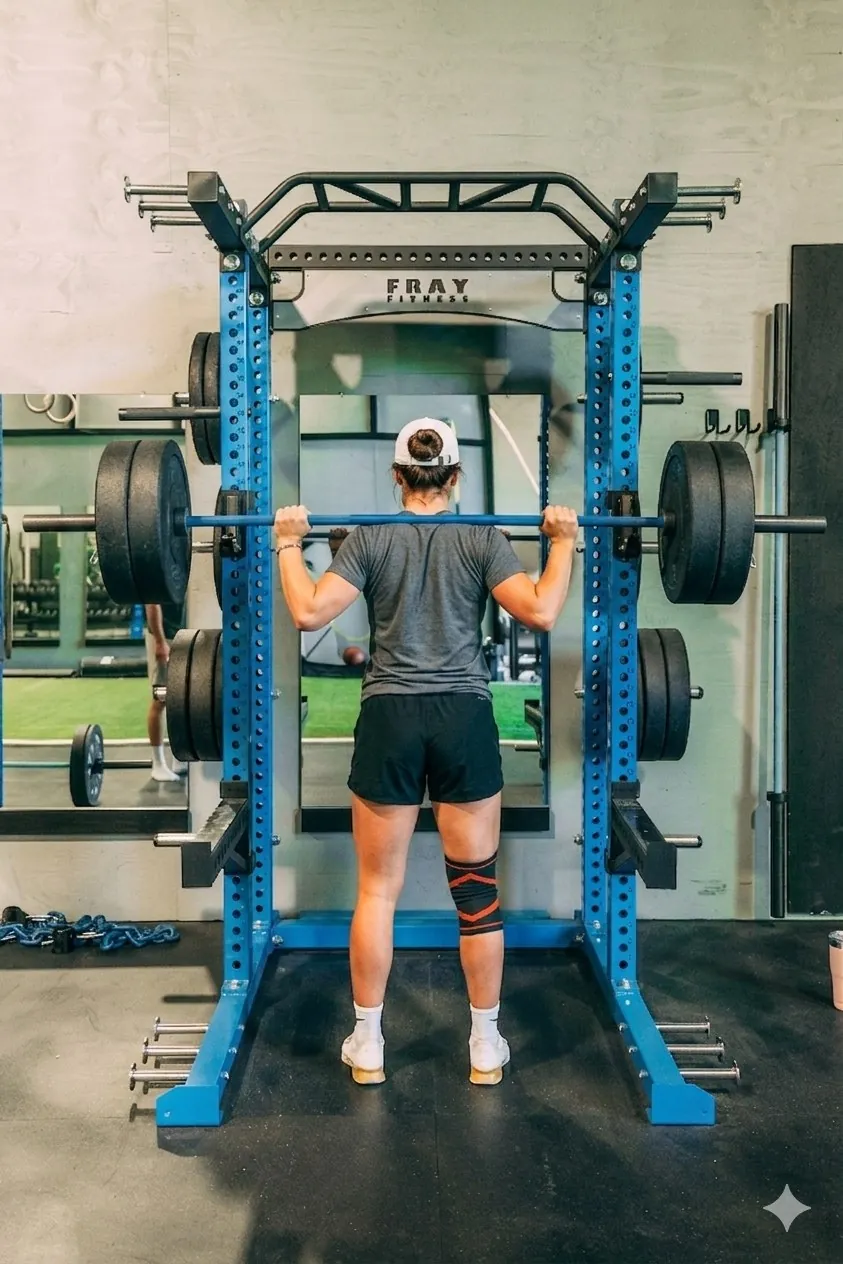
Training is not the same as development. Most athletes are not short on effort. They are short on direction.
They lift. They run. They go to practice. They do extra work. But extra work is not always better work. Without coaching, testing, and a clear plan, training can become random. Random training creates tired athletes, not better athletes.
The problem is not motivation. Most athletes who walk into FPC are already working hard. The problem is that hard work without a clear plan is just fatigue. It does not build speed. It does not fix weaknesses. It does not make you more durable or more confident. It just makes you tired.
Coaching Changes Everything
A workout tells an athlete what to do. Coaching shows the athlete how to improve. There is a difference.
At FPC, every athlete is coached. We watch how they move, how they sprint, how they jump, how they produce force, and how they handle fatigue. Then we make the training fit the athlete — not the other way around.
This means the athlete who needs more strength gets strength work. The athlete who needs speed development gets speed work. The athlete coming off an injury gets what they need to rebuild, not a generic program that ignores their current state.
Every Athlete Starts In a Different Place
A hockey player, soccer player, and baseball player do not need the same program. Even within the same sport, two athletes may need completely different things based on their age, training history, injury history, and current level.
This is why templates fail. A template does not know:
- That your athlete has a bilateral strength deficit that is limiting their sprint speed
- That they are entering a heavy sport phase and need to deload
- That their movement quality falls apart under fatigue
- That they are still recovering from a sprain and need regression, not progression
Templates are built for the average. But no athlete is average. Every athlete has a specific combination of strengths, weaknesses, injury histories, training ages, sport demands, and schedules. The program should reflect that specificity or it is guessing.
Training is what you do. Development is what happens. They are not the same thing.
The FPC Process
Every athlete at FPC goes through the same process. It starts with assessment and it never stops adjusting.
Assess
Before we write a single program, we assess. Movement quality, power production, strength levels, sport-specific demands. This is not a formality — it is the foundation of everything that comes after. You cannot program effectively without knowing where the athlete starts.
Program
Your program is built from your assessment results. Not copied. Not templated. Built for how you move and what you need. This is where specificity matters — the program has to match the athlete's actual deficits, not some theoretical average.
Coach
Real coaching during every session. Technique corrections, load adjustments, and accountability — not a stopwatch and a clipboard. When an athlete's form breaks down on the fifth rep, we adjust. When they come in feeling run down from a tournament, we modify. The program is the plan. Coaching is what happens when the plan meets the athlete.
Reassess
We re-test regularly. If something is not working, we change it. Progress is tracked, verified, and adjusted — not assumed. This is where most programs fall apart. They test once at the beginning and never check again. But the whole point of training is that the athlete changes. If you do not reassess, you are programming for the athlete they were, not the athlete they are now.
What Development Actually Means
Development is not doing more work. It is doing the right work, in the right order, at the right time, with the right feedback loop.
An athlete who trains six days a week on a program that does not match their needs will get tired. An athlete who trains three days a week on a program that is built for them will get better. The difference is not volume. The difference is specificity, progression, and coaching.
A workout tells you what to do. Coaching shows you how to improve. There is a difference.
Every FPC program starts with assessment, not assumption. Find out where you are, what you need, and what the path forward looks like. That is how development happens — one informed step at a time.
Start With a Free 45-Minute Consultation.
Start with a free 45-minute consultation about your goals, current training, and what is not improving. If FPC is the right fit, Cody will explain the assessment and next steps.
Book a Free 45-Minute Consultation →