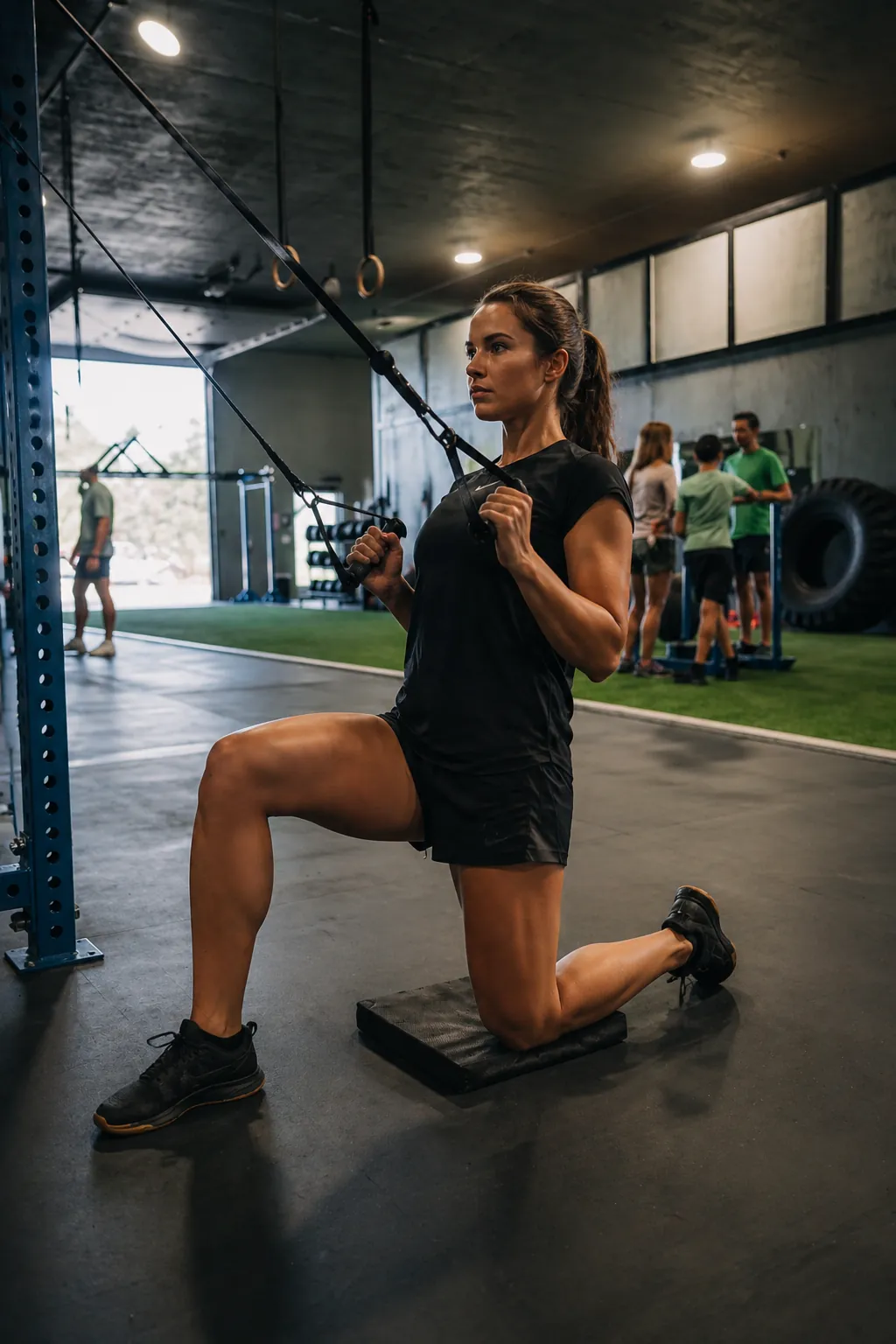
If you grew up hearing that lifting weights will stunt a teenager’s growth, you are not alone — and you were misinformed. It is one of the most persistent myths in youth sports, and decades of research have found no evidence for it. In fact, the leading pediatric and sports-medicine organizations now actively recommend supervised strength training for young athletes. The question is not whether high school athletes should lift. It is how.
Where the Myth Came From
The growth-plate fear traces back to old, isolated injury reports — almost all involving unsupervised kids, maximal weights, and bad technique in a garage or backyard. The injuries were real, but the cause was not "lifting." The cause was lifting badly, unsupervised, and too heavy. Blaming strength training for those injuries is like blaming driving for a crash caused by no seatbelt and no license. Done properly, supervised strength training has one of the lowest injury rates of any youth athletic activity — far lower than the sports these athletes already play.
The danger was never the weights. It was the lack of coaching around them.
What Lifting Actually Does for Teens
When it is coached well, strength training is one of the most valuable things a high school athlete can do. The benefits are well documented:
- Reduced injury risk — stronger muscles, tendons, and connective tissue protect joints; structured programs measurably cut sports injuries, including serious ones like ACL tears
- Better performance — more speed, power, and durability that transfers directly to their sport
- Movement skill — learning to squat, hinge, push, and pull well builds coordination that lasts a lifetime
- Confidence and habits — seeing themselves get measurably stronger builds discipline and a healthy relationship with training
Far from stunting development, appropriate resistance training supports bone density and healthy growth. The athletes who avoid it are not protecting themselves — they are leaving durability and performance on the table.
The Word That Makes It Safe: Supervised
Every benefit above comes with one condition: it has to be done right. That means the opposite of a teenager loading up a bar to impress friends. Safe, effective strength training for a high school athlete looks like this:
Technique before load
The first job is learning to move well with light weight or just body weight. Load is earned by demonstrating control, never rushed.
Progression, not ego
We are not testing one-rep maxes on a fourteen-year-old. We build strength gradually, with weights the athlete can control for clean reps, adding load only as they master it.
Individualized to the athlete
A freshman who just started and a senior with three years of training need completely different programs. Age, training history, maturity, and the results of an assessment all shape what an athlete should actually be doing.
Supervised strength training is not a risk to manage. It is one of the best investments a young athlete can make — as long as an adult who knows what they are doing is in the room.
The FPC Approach
This is exactly why we start every high school athlete with an assessment instead of a workout. Before your athlete touches a heavy bar, we want to know how they move, where they are strong, and where they are at risk. From there we build a plan that is safe by design — progressive, supervised, and matched to where they actually are. Done this way, the weight room is not something to fear for your teenager. It is one of the safest and most valuable places they can spend their time.
Book a Free Performance Assessment.
We assess your athlete and build a safe, supervised, individualized plan — no maxing out, no guesswork.
Book Free Assessment →