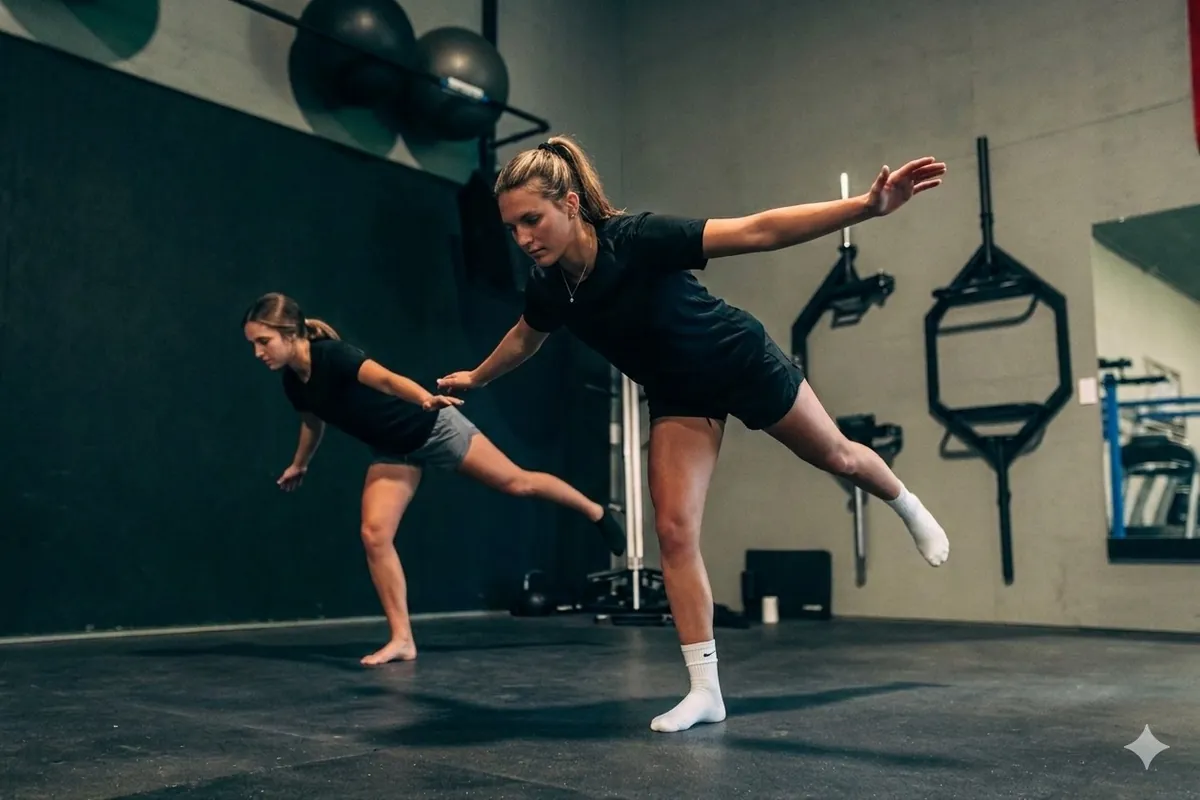
10,000 hours of coaching changes how you see athletes. You stop searching for the perfect exercise and start finding the right solution for the specific person in front of you. You learn when to push, when to pull back, when to change the plan, and when to hold the course. That is what separates experience from theory — and it is what every athlete at FPC gets from day one.
Last year I crossed a milestone I have been working toward for years: 10,000+ hours of coaching.
10,000+ hours spent coaching athletes. 10,000+ hours studying movement, strength, speed, and performance. 10,000+ hours figuring out what works — and what does not. 10,000+ hours working with people who came in with different goals, different limitations, and different problems to solve.
What 10,000 Hours Actually Teaches You
You stop looking for the perfect exercise.
You start looking for the right solution for the person in front of you.
That sounds simple. It is not. In the early years, you lean on programs — on systems, on exercises you know work in general. And they do work, in general. But general is not what an athlete needs. Every athlete is a different equation: different movement patterns, different injury history, different sport demands, different timeline.
Experience teaches you to read the equation instead of defaulting to a template.
Good coaching is not about having more exercises. It is about having the experience to know why you are doing what you are doing.
The Reps That Build a Coaching Eye
Here is what 10,000 hours builds — and it is not something you can shortcut:
- Pattern recognition. After enough athletes, you can see a compensation before it becomes an injury. You see the hip drop that is about to turn into knee pain. You see the arm swing that is bleeding speed. You see it because you have seen it a thousand times before.
- Timing. You learn when to push and when to pull back. When an athlete is ready to load more and when they need a week of quality over quantity. You stop guessing and start reading — the body gives signals, and 10,000 hours teaches you to listen to them.
- Adaptability. You learn when to change the plan and when to stay the course. The plan is a tool. The goal is the outcome. Sometimes those are the same direction; sometimes they are not. Experience is what tells you which situation you are in.
Not theory. Not a cookie-cutter program. Experience earned one athlete, one session, one problem at a time.
Why This Matters for Your Athlete
When your athlete walks into FPC, they are not getting a program that worked for someone else. They are getting a coach who has spent 10,000+ hours learning how to read what their specific body needs — and build around it.
That starts with assessment. Laser-timed sprint tests. Jump and power testing. Movement screen. Real numbers that tell us exactly where they are strong, where they are exposed, and what needs to happen first.
Then the program gets built around those numbers — not around a template someone designed for a hypothetical athlete.
That is what 10,000 hours buys you. Not a longer exercise library. Not more certifications. The ability to look at a real person with real limitations and a real competitive season and build them the program that actually fits.
The Bottom Line
10,000 hours of coaching experience means your athlete gets a coach who has already made — and corrected — the mistakes that come with less experience. Who has seen the patterns, learned the timing, and built the eye for what works.
That is what FPC brings to every session.
Not theory. Not a cookie-cutter program. Experience earned one athlete, one session, and one problem at a time.
Frequently Asked Questions
What does 10,000 hours of coaching experience mean for an athlete?
It means your coach has built pattern recognition, timing, and adaptability that cannot be taught in a classroom. They can read compensation patterns before they become injuries, know when to push and when to pull back, and adapt the plan based on what the athlete actually needs — not what the template calls for.
How is FPC's coaching different from other programs?
FPC starts with real assessment data — sprint times, jump and power testing, movement screen — and builds an individualized program around those numbers. No cookie-cutter templates, no guessing. Every program is built for that specific athlete's body, sport, and season.
Does coaching experience actually matter for athlete performance?
Yes. An experienced coach can see problems early, adjust programming in real time, and make better decisions about when to load and when to recover. Those judgment calls compound over a season and are the difference between hitting performance targets and stalling.
Start With a Free 45-Minute Consultation.
Start with a free 45-minute consultation about your goals, current training, and what is not improving. If FPC is the right fit, Cody will explain the assessment and next steps.
Book a Free 45-Minute Consultation →